

When many people hear Primary Ciliary Dyskinesia (PCD), they picture a child with chronic infections, constant congestion, or a persistent wet cough.
But PCD doesn't end when childhood does.
PCD is a lifelong genetic condition, and adults make up a substantial part of the PCD population. Some adults were diagnosed in childhood and have spent decades managing the disease. Others reach adulthood after years of being told their symptoms were asthma, allergies, recurrent bronchitis, chronic sinusitis, or simply “getting sick a lot.”
That makes adult PCD an important—and
sometimes overlooked—part of the disease.
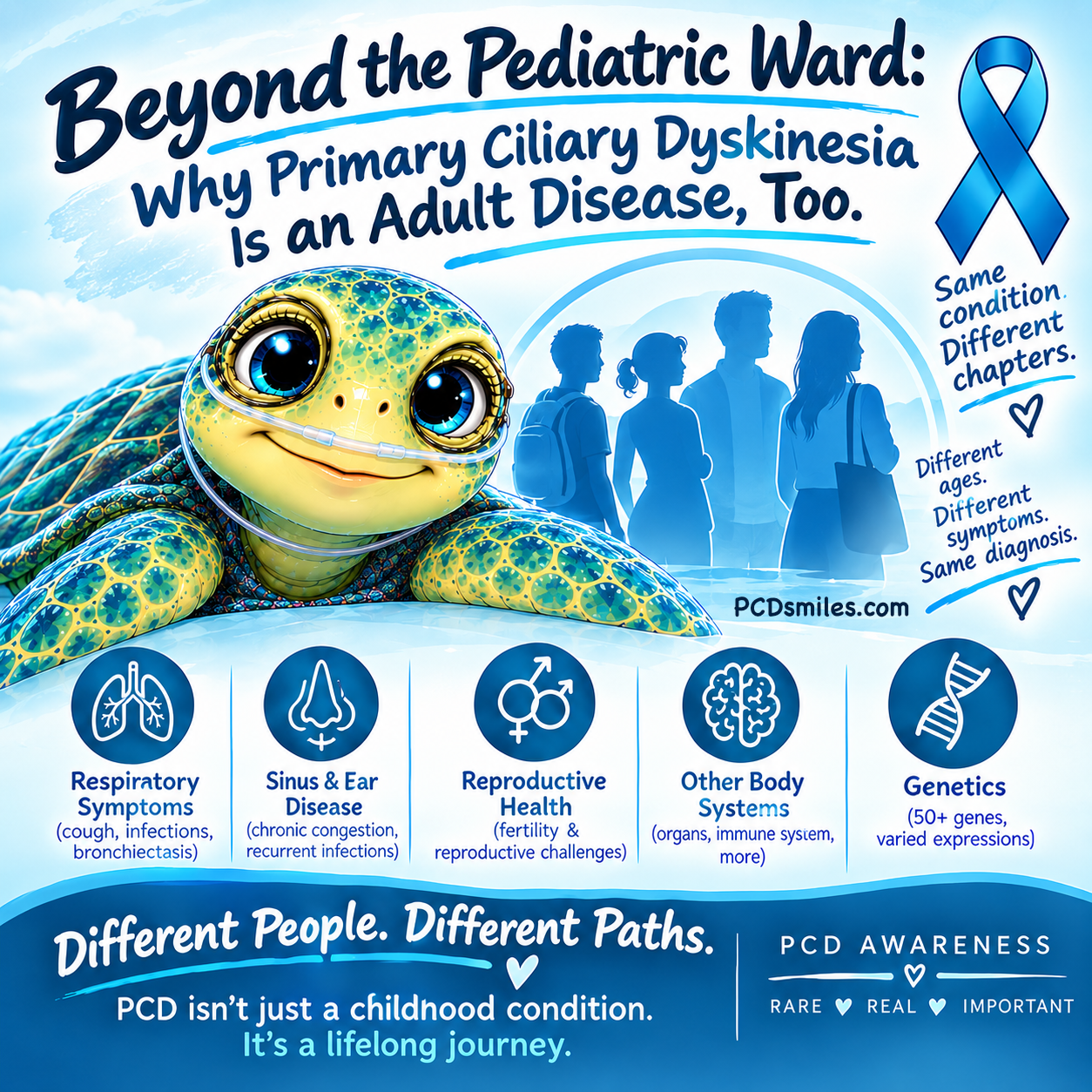
Research in adult PCD populations shows that the disease can involve significant respiratory symptoms, bronchiectasis, chronic infections, sinus disease, fertility concerns, and ongoing treatment needs.
PCD Doesn't Have an Age Limit
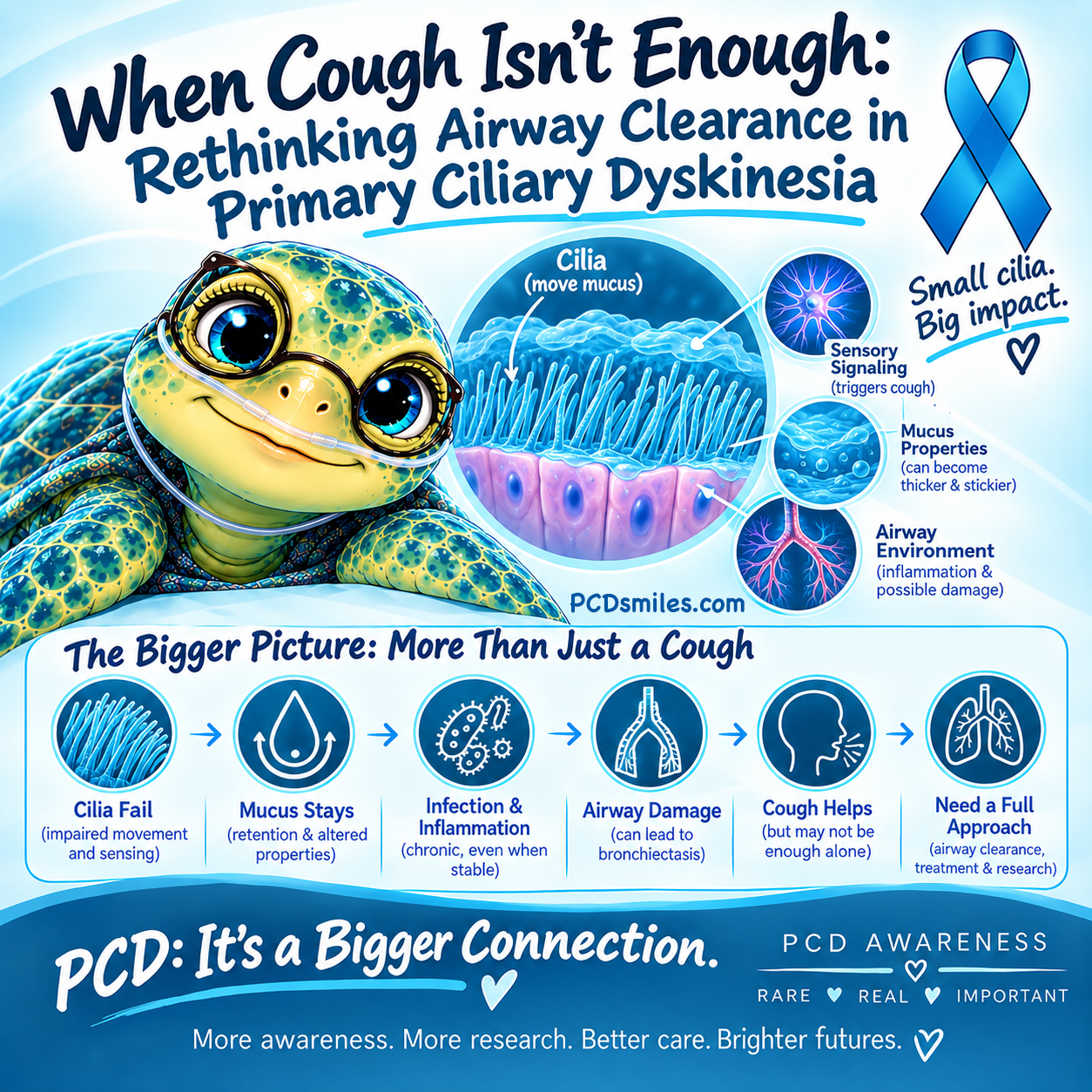
PCD is caused by genetic changes that affect motile cilia—microscopic structures that help move mucus and other fluids throughout the body.
These cilia are found in areas including the:
- Respiratory tract
- Sinuses
- Middle ears
- Reproductive system
- Certain other tissues
In the respiratory system, healthy cilia work together to move mucus, bacteria, and inhaled particles toward the throat so they can be removed.
In PCD, cilia may be absent, structurally abnormal, move incorrectly, or fail to coordinate their movement.
The result is impaired mucociliary clearance.
And that problem doesn't disappear at age 18.
What Does PCD Look Like in Adults?
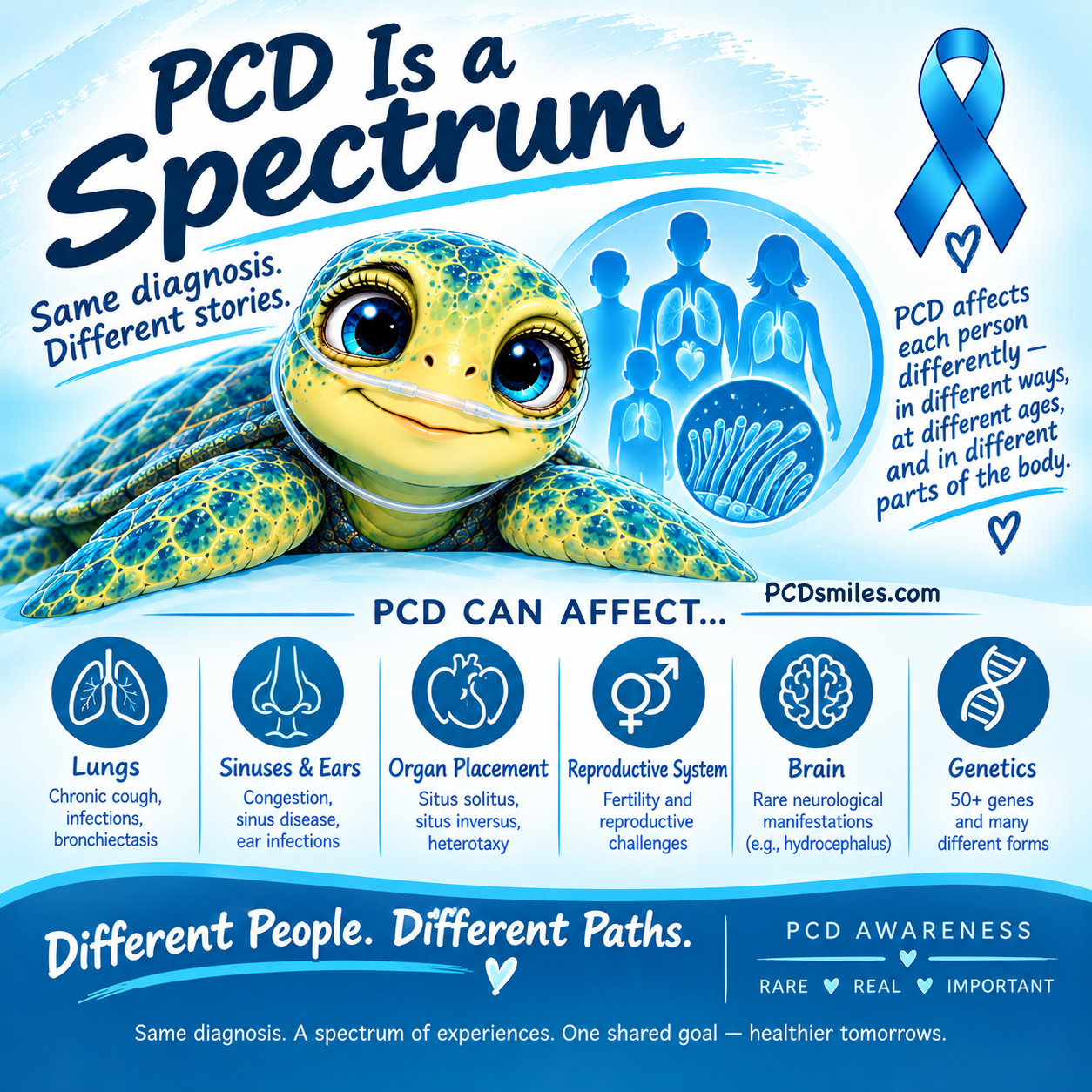
Adult PCD can look very different from person to person.
Some adults have relatively preserved lung function and remain active, while others develop substantial bronchiectasis, recurrent infections, and declining respiratory function.
A 2017 study of 78 adults with PCD found that:
- 91% had respiratory symptoms
- 95% had chronic rhinosinusitis
- About 27% had chronic Pseudomonas aeruginosa infection in the study population
- Only 4% developed chronic respiratory failure during the study period
- Lung-function decline was highly variable between individuals.
These numbers are important because they demonstrate something that is sometimes lost in discussions about PCD:
Adult PCD is not one uniform disease experience.
Adults Are Already Represented in PCD Research
An international PCD registry published data from its early enrollment period showing that 103 of 201 participants—about 51%—were adults. Participants ranged in age from 1 month to 76 years.
More recent international research also demonstrates how large the adult population is within PCD studies.
In the Living with PCD prospective cohort, researchers followed 660 people with PCD, including 408 adults, 57 adolescents, and 195 children. The median age at registration was 28 years.
Among the adults and adolescents in that study, 77% reported having bronchiectasis, compared with 27% of children.
This doesn't mean every adult with PCD has severe bronchiectasis. Rather, it illustrates how common established structural lung disease can become as people with PCD reach adulthood.
Bronchiectasis Is a Major Adult Concern
Years of impaired mucus clearance, infection, and inflammation can contribute to bronchiectasis—permanent structural widening and remodeling of the airways.
It would be inaccurate to say that bronchiectasis is literally universal in adults with PCD. However, it is extremely common in adult cohorts.
In the international Living with PCD study, 77% of adults and adolescents reported bronchiectasis.
Another important study looked specifically at adults who already had bronchiectasis.
Researchers examined 1,000 adults with bronchiectasis in the German PROGNOSIS registry. PCD was identified as the underlying cause in 87 people, or 9% of the cohort.
Among those adults with PCD:
- The average age was approximately 42 years
- About 67% were younger than 50
- PCD patients had more extensive bronchiectasis on imaging than those with other causes of bronchiectasis
- They had a longer history of bronchiectasis
- They experienced more exacerbations
- They had more sputum production
- A history of Pseudomonas aeruginosa was more common.
The study also identified several features that increased the likelihood that bronchiectasis was related to PCD. Chronic upper-airway disease, such as chronic rhinosinusitis or nasal polyps, was particularly important.
PCD May Be Hiding Inside "Unexplained" Adult Bronchiectasis
One of the most important messages for adult medicine is that PCD should remain on the diagnostic radar when an adult has bronchiectasis without an obvious cause.
In the German study, PCD accounted for 9% of bronchiectasis cases in the 1,000-person adult registry.
A European registry analysis of nearly 19,000 adults with bronchiectasis identified 523 adults with PCD—about 2.8% of the overall cohort. The researchers found that adults with PCD were generally younger and had lower lung function, more frequent exacerbations, and more frequent chronic infection with organisms including Pseudomonas aeruginosa and Haemophilus influenzae compared with adults whose bronchiectasis had other causes.
The difference between these percentages illustrates an important point: the proportion of adults with PCD varies depending on the population studied, referral patterns, and how extensively patients are evaluated for PCD.
The Problem of Late Diagnosis
PCD symptoms often begin in infancy or childhood, but diagnosis can take much longer.
Why?
Because many of its symptoms are common and nonspecific.
A person may spend years being treated for:
- Asthma
- Allergies
- Chronic sinusitis
- Recurrent bronchitis
- Recurrent pneumonia
- Chronic ear infections
- “Frequent infections”
The underlying pattern may not become obvious until adulthood.
A recent Australian review of adults referred for PCD testing illustrates this challenge. Between 2015 and 2025, 91 adultswere referred to one specialized PCD diagnostic service. Their average age was approximately 37 years, with ages ranging from 18 to 78. Bronchiectasis was the reason for referral in 52% of these adults.
The adult PCD patient may therefore arrive at a specialist clinic not because someone recognized PCD during childhood, but because years of respiratory disease eventually produced a pattern that demanded another explanation.
The Adult Lung Microbiome Can Change
As bronchiectasis progresses, the organisms found in the airways can also change.
Adults with PCD may experience chronic or recurrent infection with organisms such as:
Pseudomonas aeruginosa
Haemophilus influenzae
Staphylococcus aureus
Other organisms may also be identified depending on the individual.
In the U.S. Bronchiectasis Research Registry, adults with PCD had lower lung function and more reported exacerbations or hospitalizations than several comparison groups with other causes of bronchiectasis. Pseudomonas aeruginosa and Staphylococcus aureus were among the organisms most commonly isolated.
This is one reason respiratory cultures and ongoing monitoring can be important components of adult PCD care.
PCD Doesn't Stop Affecting the Rest of the Body
PCD isn't simply a lung disease.
Because motile cilia are involved in other biological processes, adults can experience manifestations outside the respiratory system.
Reproductive health
PCD can affect fertility and reproductive function.
In males, abnormal sperm flagellar movement can contribute to reduced fertility.
In females, abnormal ciliary function in the reproductive tract can contribute to fertility challenges and an increased risk of certain reproductive complications, including ectopic pregnancy.
These issues can become particularly important during the transition from pediatric to adult care.
Organ placement
Abnormal ciliary function during embryonic development can affect left-right organ positioning.
Approximately half of people with PCD have some form of laterality abnormality, although the exact pattern can vary.
Some people have situs inversus, in which organs are arranged as a mirror image.
Others have more complex laterality abnormalities, including heterotaxy/situs ambiguus.
When situs inversus occurs together with chronic sinus disease and bronchiectasis, the combination has historically been called Kartagener syndrome.
For adults, knowing about an individual's organ arrangement is particularly important when planning medical or surgical procedures.
Diagnosing PCD in Adults
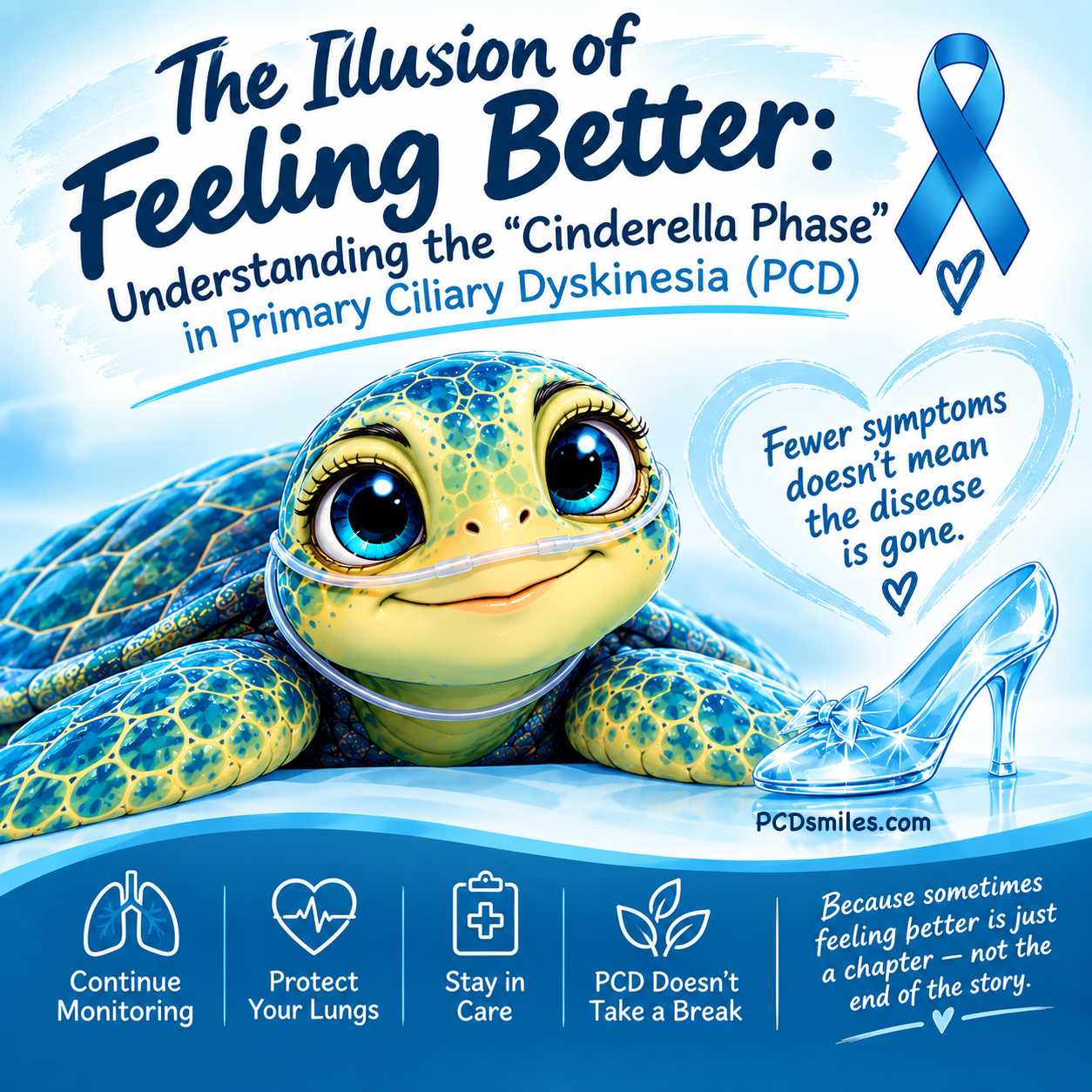
A missed childhood diagnosis doesn't mean the opportunity for diagnosis is gone.
Specialized PCD evaluation can include several complementary tests, depending on the patient and the diagnostic center.
These may include:
- Nasal nitric oxide testing
- High-speed video microscopy
- Transmission electron microscopy
- Immunofluorescence testing
- Genetic testing
No single test identifies every person with PCD.
That is why diagnosis often requires a combination of clinical history, specialized testing, and interpretation by clinicians experienced with PCD.
Treating PCD Across Adulthood
There is currently no cure that restores normal ciliary function.
Treatment instead focuses on protecting the lungs, managing infections, maintaining airway clearance, and addressing other manifestations of PCD.
Adult care may include:
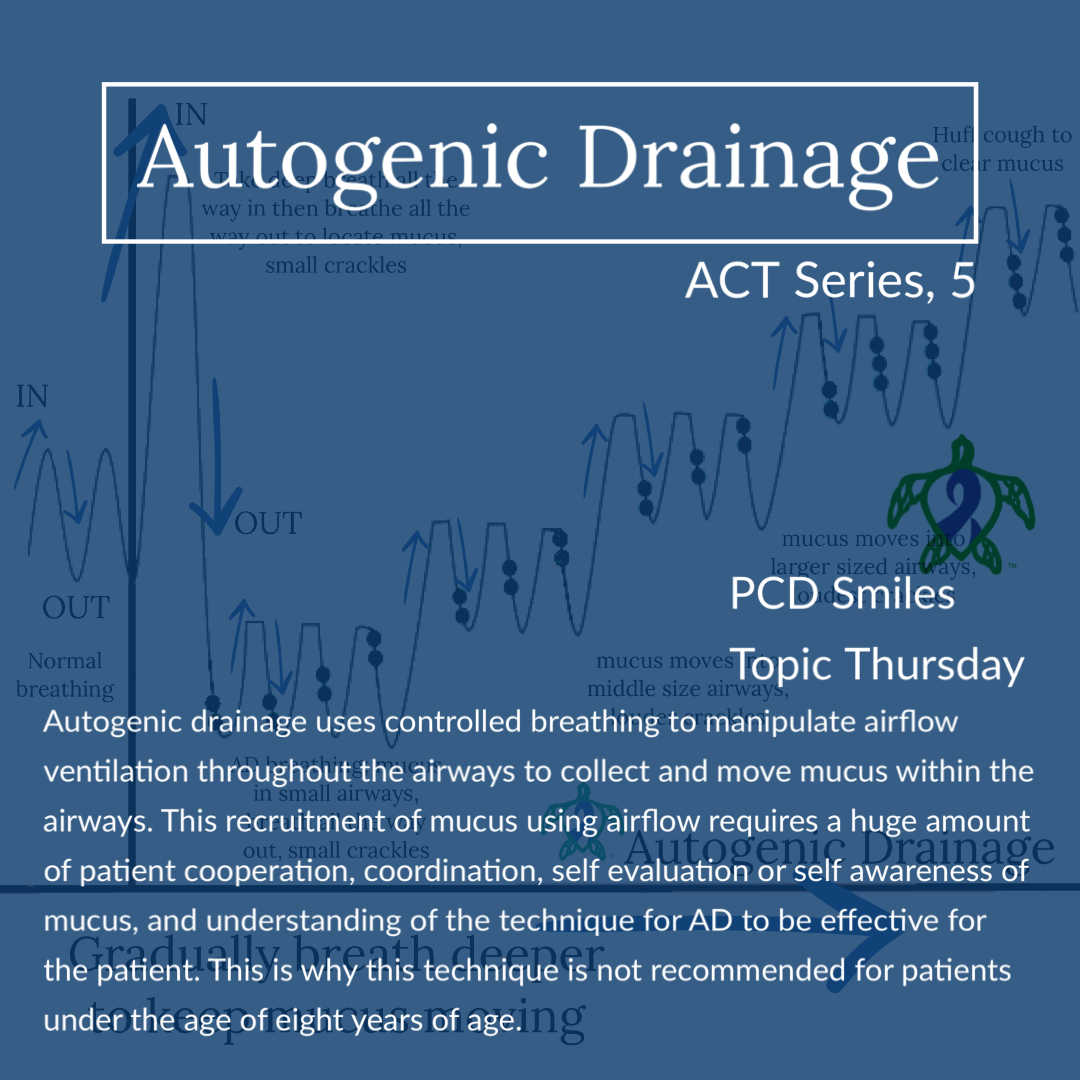
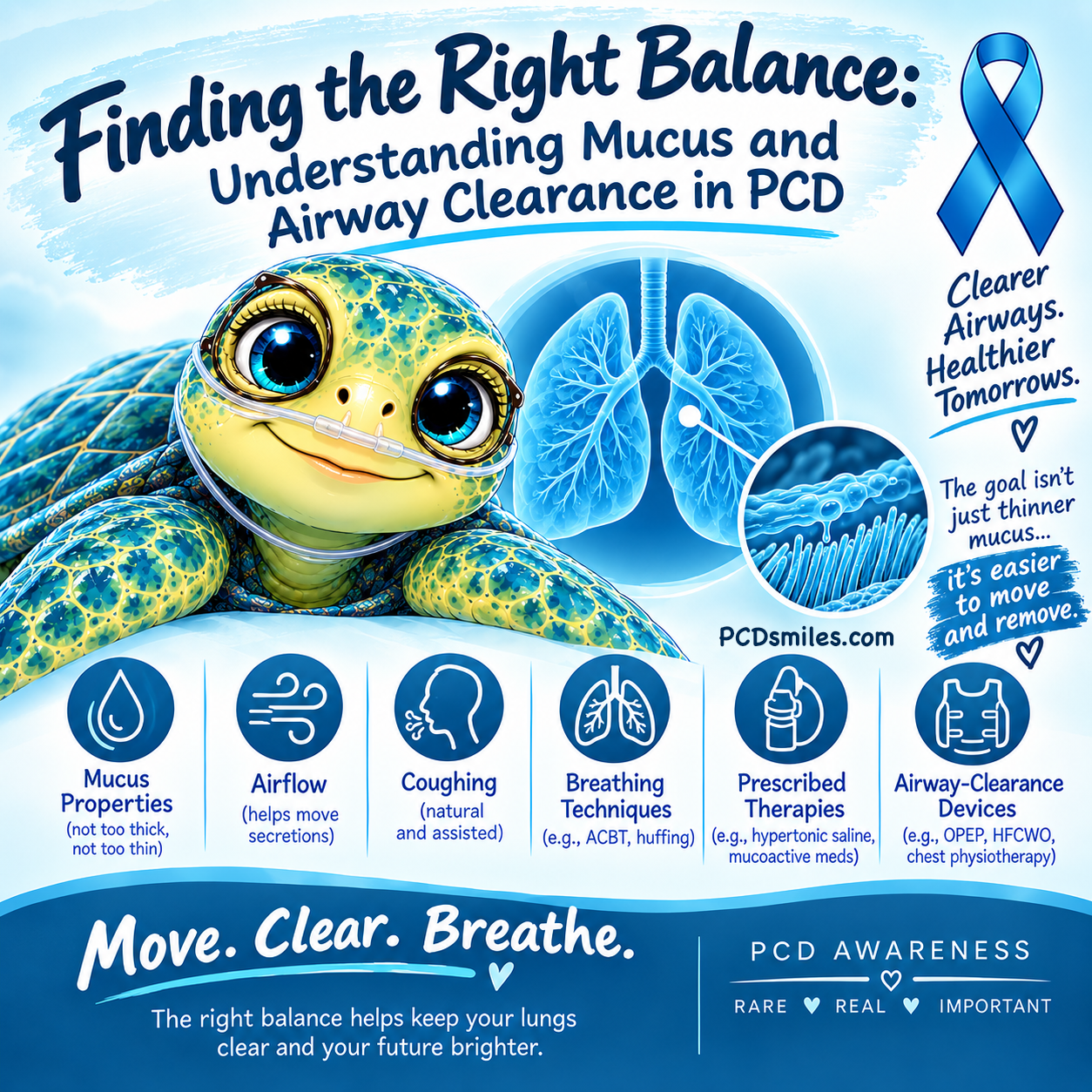
Airway clearance
Depending on the individual, this can involve:
- Breathing techniques
- Huff coughing
- PEP or OPEP devices
- Nebulized therapies
- Chest physiotherapy
- High-frequency chest wall oscillation
- Oscillation and Lung Expansion
- Other specialized airway-clearance techniques
The goal is to help compensate for the body's impaired natural mucus-clearance system.
Infection management
Respiratory cultures can help clinicians identify bacteria when infections or exacerbations occur and guide antibiotic decisions.
Lung-function monitoring
Regular assessment can help clinicians follow changes in respiratory health over time.
ENT care
Chronic sinus and ear disease can remain important well into adulthood.
Reproductive care
Adults may benefit from fertility counseling and reproductive specialists familiar with PCD.
Multidisciplinary care
Because PCD can affect multiple organ systems, adult patients may need care involving pulmonology, ENT, infectious disease, reproductive specialists, genetics, and other clinicians depending on their individual needs.
PCD Is Not a Childhood Disease
Perhaps the biggest misconception is that PCD is primarily something pediatricians deal with.
The reality is very different.
Adults with PCD are living with a lifelong genetic disorder that can require daily airway clearance, regular monitoring, infection management, specialist appointments, and attention to reproductive and other health concerns.
And some adults are still waiting for a diagnosis.
The statistics make the point:
- 103 of 201 people in an early international PCD registry were adults.
- 408 of 660 participants in the Living with PCD cohort were adults.
- 77% of adults and adolescents in that cohort reported bronchiectasis.
- 9% of 1,000 adults with bronchiectasis in the German PROGNOSIS registry had PCD as the identified cause.
- In one adult PCD study, 91% had respiratory symptoms and 95% had chronic rhinosinusitis.
These numbers don't describe every adult with PCD—but together they demonstrate that PCD is very much an adult health issue.
From Childhood Into Adulthood
PCD doesn't disappear when someone leaves the pediatric clinic.
The disease may change as a person gets older, but the underlying ciliary dysfunction remains.
For some people, adulthood means managing established bronchiectasis and chronic infections.
For others, it means finally discovering the explanation for decades of unexplained respiratory problems.
And for many, it means learning how to manage a rare disease while also navigating careers, relationships, family planning, travel, and everyday adult life.
PCD isn't a childhood disease that adults outgrow.
It is a lifelong condition that deserves lifelong recognition, research, and specialized care.
Be sure to join us tomorrow for another conversation about primary ciliary dyskinesia.
Join our Facebook group Turtle Talk Café today.
We have several ways that you can donate to PCD Smiles;
- Visit Smile E. Turtle's Amazon Wishlist
- For more information on how you can donate, please visit our "Donation" page to check out our "Do & Don't policies.
- Or sponsor a PCD Smiles cheer package today!
- To shop for your “Official” turtle care ribbon gear today, visit PCD Style
Thank you for your consideration!
Medical Disclaimer
This article is intended for general educational and informational purposes only and is not a substitute for professional medical advice, diagnosis, or treatment. Infection risks and appropriate prevention strategies can vary considerably between people with PCD based on their lung health, respiratory cultures, treatments, age, and other medical conditions.
This article is for educational purposes and does not establish that over-thinning mucus causes increased infection risk in people with PCD. Responses to airway-clearance and mucoactive therapies vary. Any changes to prescribed treatments should be discussed with a healthcare professional familiar with PCD.
Cleaning and disinfection recommendations for respiratory equipment can also vary by device and manufacturer. Always follow the instructions provided by your healthcare team and equipment manufacturer.
Do not start, stop, or change medications, airway-clearance treatments, infection-control practices, or other aspects of your medical care based solely on this article. If you have PCD and are concerned about an infection, worsening respiratory symptoms, or possible exposure to a pathogen, contact your PCD or respiratory healthcare team for individualized guidance.
If you are experiencing severe or rapidly worsening breathing difficulties or another medical emergency, seek urgent medical attention.