

When we talk about chronic lung diseases, conditions such as asthma and COPD often dominate the conversation. But there is another condition that can quietly and progressively damage the lungs—sometimes beginning in infancy: Primary Ciliary Dyskinesia (PCD).
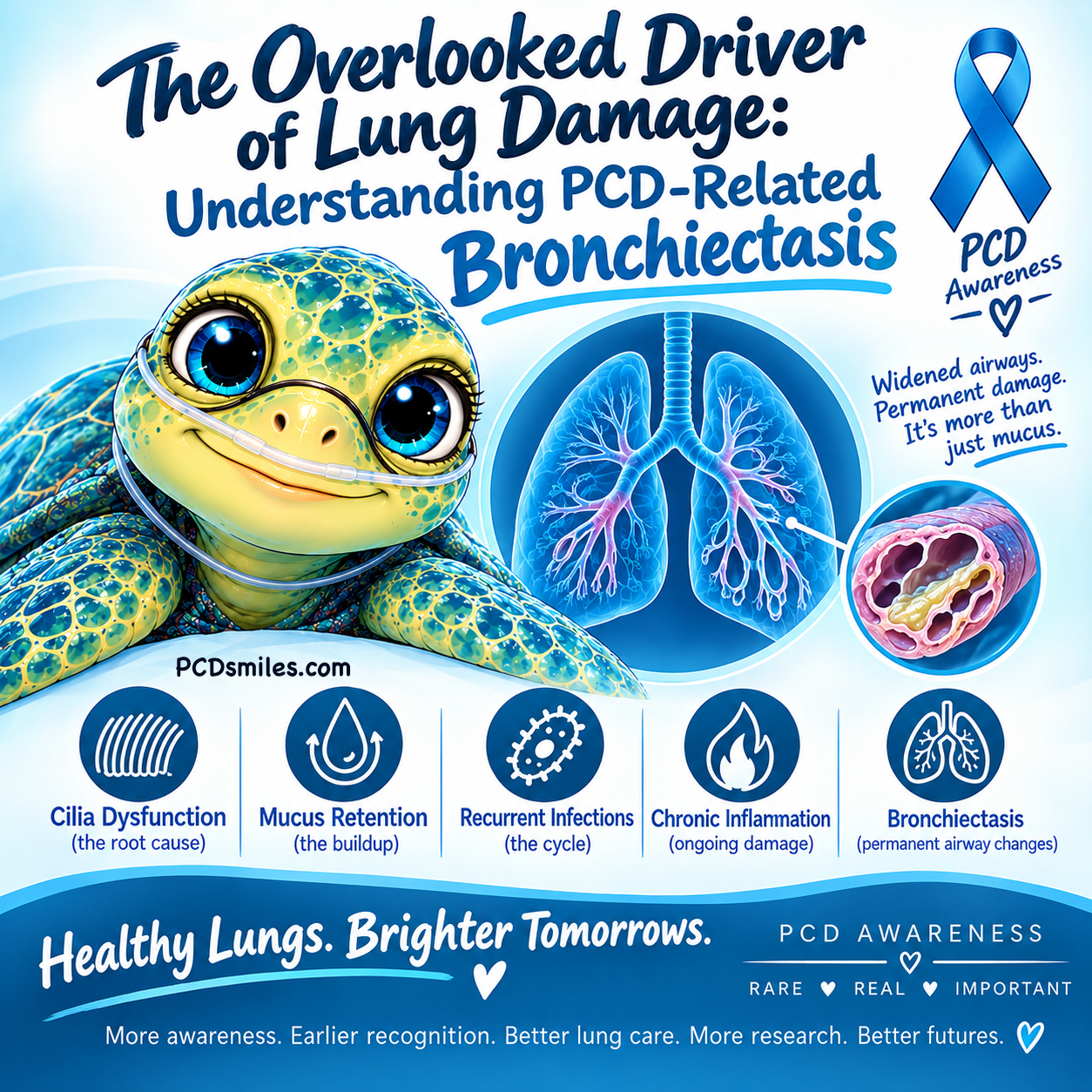
PCD is a rare genetic condition that affects the microscopic cilia responsible for moving mucus and debris out of the respiratory system. When PCD goes undiagnosed or is not adequately managed, ongoing mucus retention, recurrent infections, and inflammation can contribute to the development of bronchiectasis, a permanent form of airway damage.
Understanding the connection between PCD and
bronchiectasis is important because recognizing PCD earlier can help protect lung function and allow appropriate care to begin sooner.
The Root Cause: When the Lungs' Cleaning System Doesn't Work Properly
In a healthy respiratory system, millions of microscopic, hair-like structures called cilia line the airways.
These cilia normally beat together in coordinated, wave-like patterns. Their job is to move mucus, trapped bacteria, and other debris upward toward the mouth, where they can be cleared.
Think of them as the lungs' microscopic cleaning crew.
In people with Primary Ciliary Dyskinesia, genetic changes can cause the cilia to be absent, structurally abnormal, or unable to move normally.
When this microscopic cleaning system doesn't work properly, mucus can remain trapped deep inside the lungs. Retained mucus can provide an environment where bacteria and other microorganisms persist, contributing to repeated respiratory infections.
Over time, the combination of:
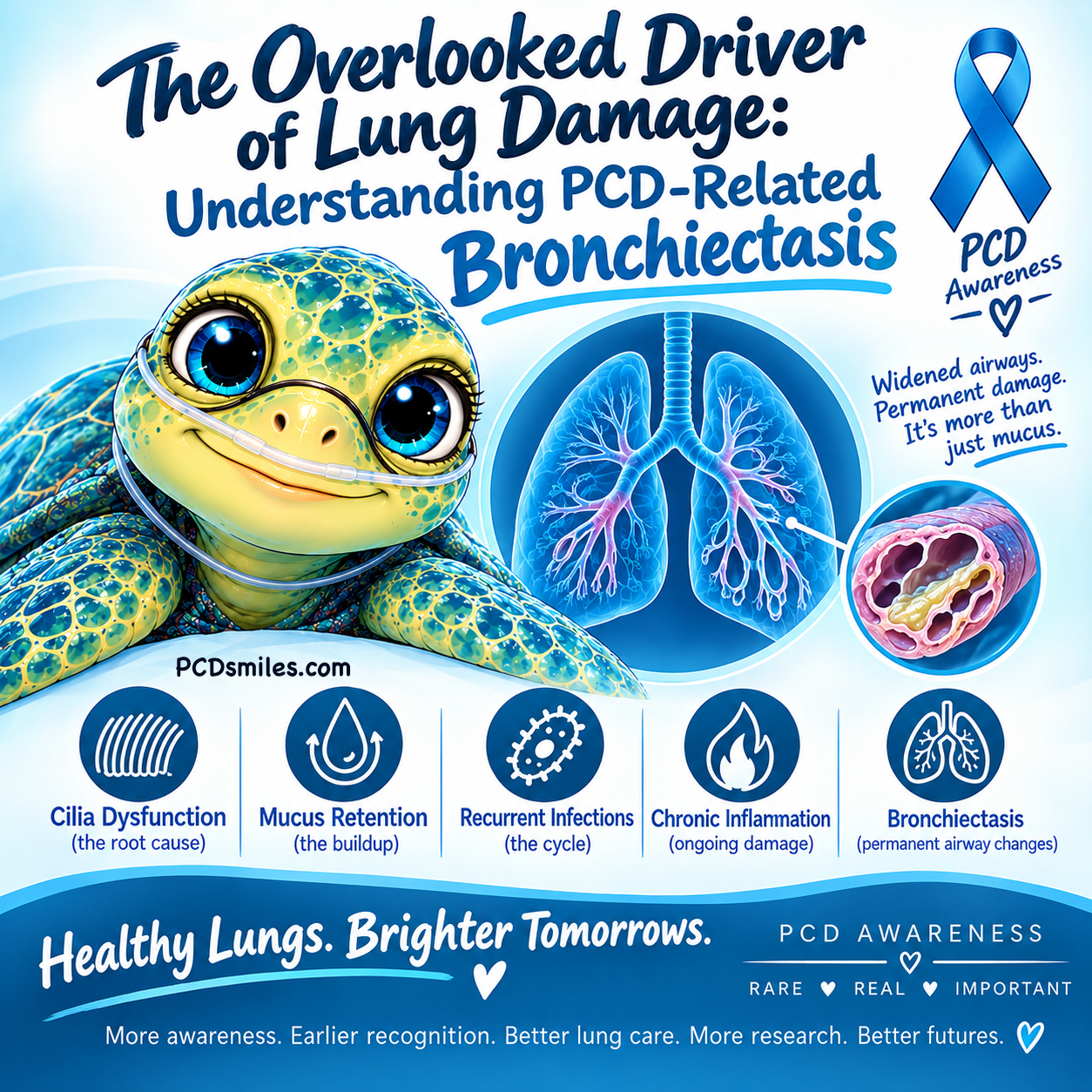
Impaired ciliary movement → mucus retention → recurrent infections → chronic inflammation
can cause progressive damage to the airways.
How PCD Can Lead to Bronchiectasis
The relationship between PCD and bronchiectasis is an important one.
Repeated respiratory infections and ongoing inflammation can gradually alter the structure of the airways. Eventually, this can result in bronchiectasis.
What is bronchiectasis?
Bronchiectasis is a permanent condition in which the bronchial tubes become abnormally widened and structurally damaged.
Once the airways become damaged and widened, clearing mucus can become even more difficult.
That creates a self-perpetuating cycle:
Mucus retention
↓
Respiratory infection
↓
Inflammation
↓
Airway damage
↓
Bronchiectasis
↓
Even more difficulty clearing mucus
↓
More mucus retention and infection
This is sometimes described as a "vicious vortex" because each part of the process can contribute to the next.
While bronchiectasis can develop later in life from causes such as severe pneumonia or environmental exposures, PCD-associated bronchiectasis can begin early in life and progress over time. Research has found structural changes on CT scans during childhood, and bronchiectasis is very common among adults with PCD.
Recognizing the Warning Signs
One of the challenges with PCD is that its symptoms can resemble other respiratory conditions.
A chronic wet cough, recurrent infections, and breathing problems may be attributed to conditions such as asthma or chronic bronchitis. As a result, some people experience significant delays before receiving a PCD diagnosis.
Healthcare professionals and families should be alert to patterns that may suggest PCD-related lung disease.
Potential warning signs include:
A chronic wet or productive cough
A cough that begins in early childhood and continues throughout the year can be an important clue.
Unexplained respiratory distress in a full-term newborn
Significant respiratory distress shortly after birth in an otherwise full-term infant can be associated with PCD.
Persistent nasal and sinus problems
Constant nasal congestion or chronic sinus infections—especially when combined with recurrent respiratory infections—can be another important clue.
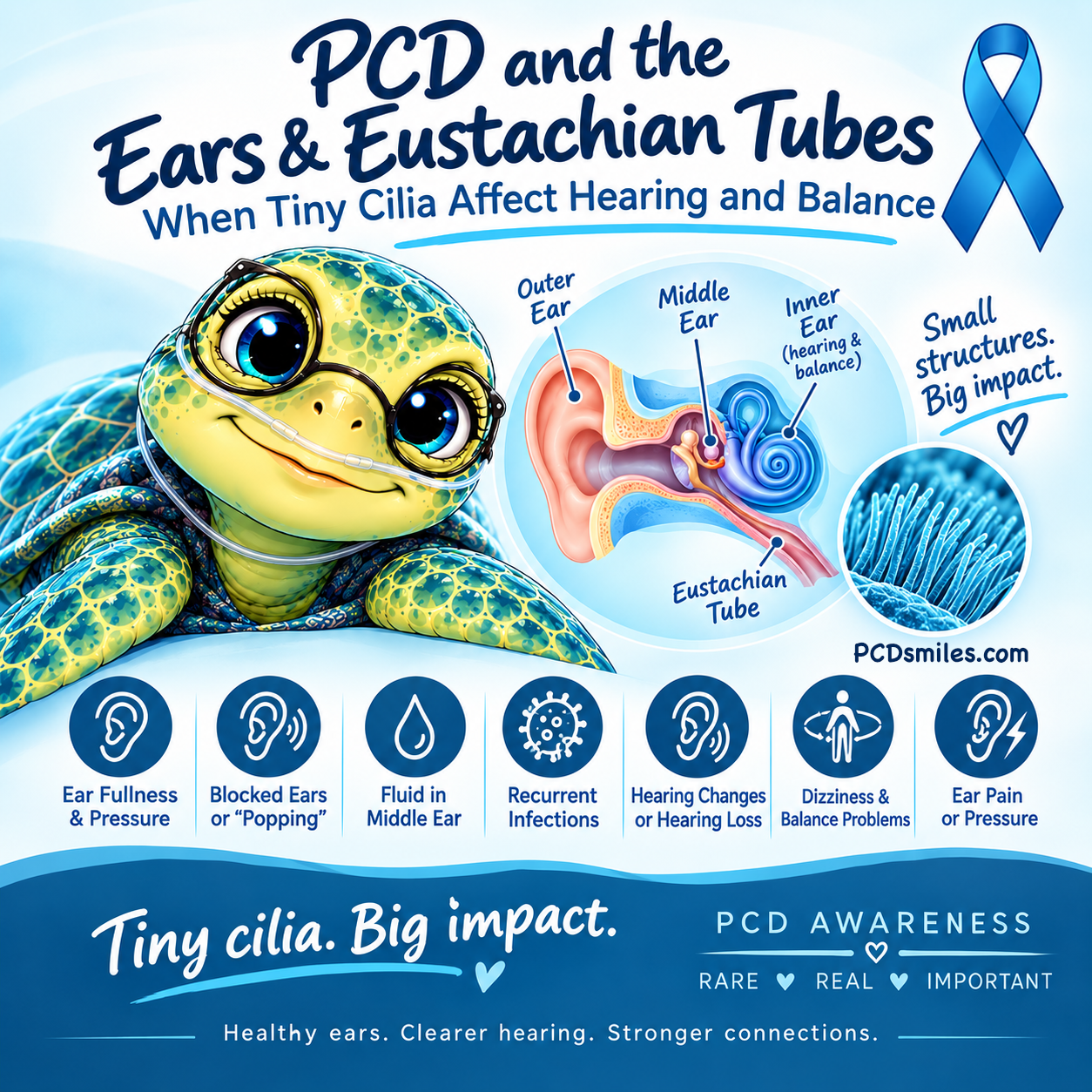
Recurrent ear infections
Repeated ear infections and related problems can occur because PCD affects cilia throughout the respiratory tract and related structures.
Situs inversus
Some people with PCD have situs inversus, in which internal organs are arranged as a mirror image of their usual position.
Historically, PCD associated with situs inversus was referred to as Kartagener syndrome.
Situs inversus occurs in approximately 50% of people with PCD, although not everyone with PCD has this organ-placement difference.
Managing PCD-Related Bronchiectasis: A Lifelong Process
There is currently no cure that repairs the underlying ciliary defect in PCD.
As a result, management focuses on supporting mucus clearance, treating respiratory infections, protecting lung function, and addressing bronchiectasis and its complications.
Because clinical trials specifically involving PCD remain limited, some treatment approaches and recommendations have been adapted from established approaches used for non-cystic fibrosis bronchiectasis.
Treatment is individualized, but may include several important strategies.
Airway Clearance Techniques
Airway clearance is a major component of PCD lung care.
Techniques can include:
- Manual chest physiotherapy
- Percussion vests
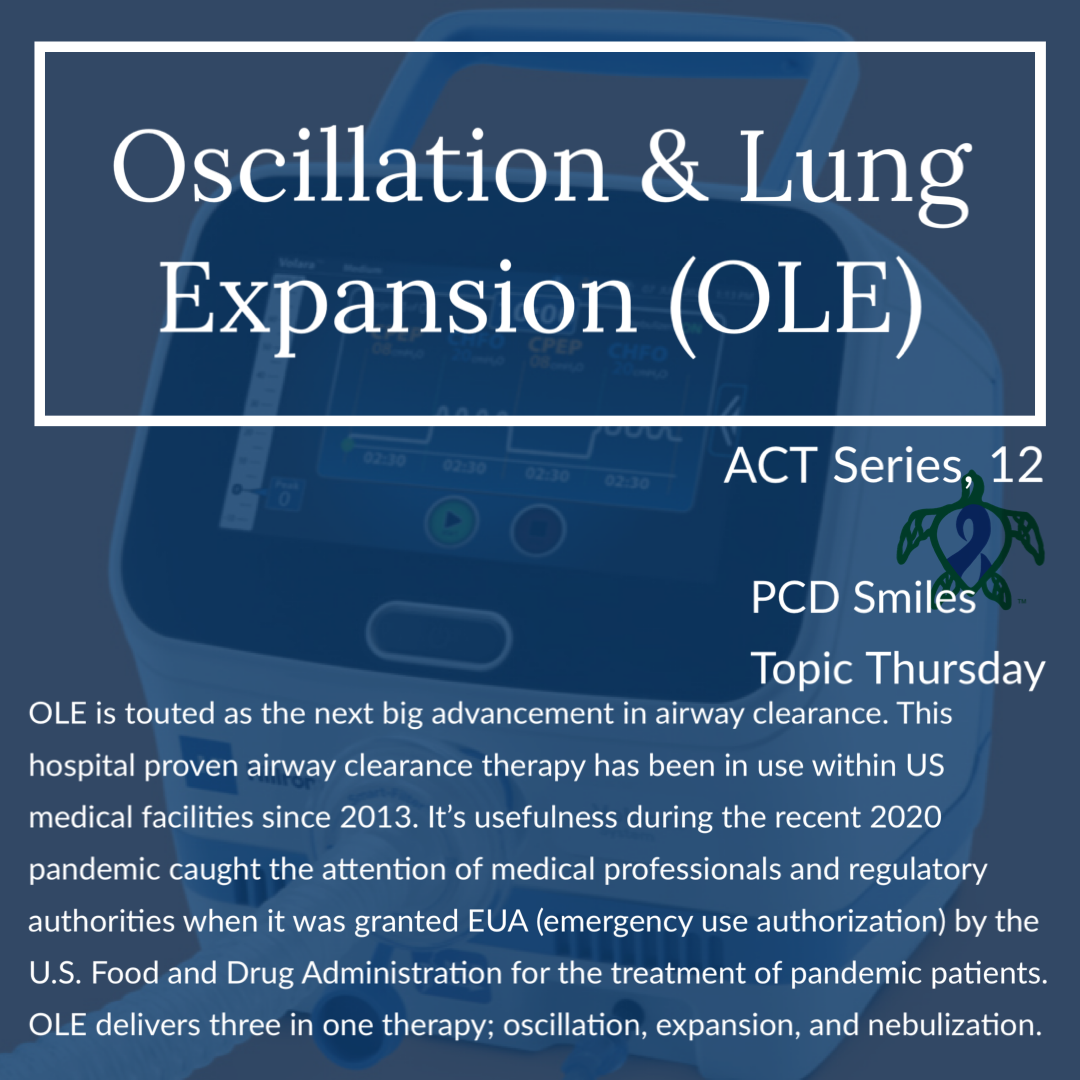
- Oscillation and Lung Expansion (OLE) devices
- Oscillatory positive expiratory pressure (OPEP) devices, such as Aerobika
- Other airway-clearance techniques recommended by a healthcare team
These approaches are designed to help physically mobilize mucus and compensate for the impaired natural clearance provided by cilia.
Hypertonic Saline
Hypertonic saline nebulization involves inhaling a concentrated saltwater mist.
The goal is to increase moisture in the airways and help loosen secretions so they can be more easily cleared through coughing and airway-clearance techniques.
Targeted Antibiotic Treatment
Respiratory infections and exacerbations may require antibiotic treatment.
When possible, antibiotic selection is guided by sputum or respiratory cultures, particularly when potentially significant organisms such as Pseudomonas aeruginosa are identified.
Treatment courses may sometimes be prolonged, depending on the infection and the individual's clinical situation.
Exercise
Regular aerobic exercise can also be an important part of respiratory care.
Physical activity can help mobilize airway secretions while supporting cardiovascular fitness and lung capacity.
What About Asthma Medications?
It is important to distinguish PCD-related bronchiectasis from asthma.
Traditional asthma medications, including inhaled corticosteroids, generally do not correct the underlying mucus-clearance problem caused by PCD.
They may not be appropriate for every person with PCD-related bronchiectasis unless another condition—such as asthma—also exists.
Treatment decisions should therefore be individualized by the person's healthcare team rather than assuming that asthma medications will address PCD-related airway disease.
The Power of Early Intervention
One of the most important reasons to recognize PCD is the opportunity to begin appropriate lung care earlier.
Diagnostic pathways can include tests such as:
- Nasal nitric oxide (nNO) testing
- Multigene genetic testing/panels
- Other specialized testing used as part of a comprehensive PCD diagnostic evaluation
Identifying PCD can allow healthcare professionals to establish an appropriate airway-clearance program, monitor lung function, recognize infections, and watch for complications such as bronchiectasis.
The goal is to support the lungs before extensive structural damage develops.
Why Early Recognition Matters
PCD can be difficult to identify because no single symptom is unique to the condition.
A child or adult with:
- A daily wet cough
- Repeated pneumonia or bronchitis
- Frequent respiratory infections
- Chronic sinus disease
- Recurrent ear problems
- Unexplained respiratory problems beginning early in life
may be experiencing a pattern that deserves further evaluation.
When several of these features occur together—particularly when symptoms have been present since childhood—PCD may need to be considered.
If you or someone you love has an unexplained chronic wet cough combined with recurrent sinus or respiratory problems, discussing the possibility of PCD and appropriate diagnostic testing with a qualified healthcare professional may be worthwhile.
Protecting the Lungs Starts With Understanding PCD
PCD is more than a chronic cough.
The underlying problem begins at the microscopic level: the cilia responsible for moving mucus don't function normally.
But the consequences can become much larger.
When mucus remains trapped in the airways, bacteria can persist. Repeated infections can trigger inflammation. Chronic inflammation can contribute to structural airway damage. And once bronchiectasis develops, damaged airways can have even more difficulty clearing mucus.
The cycle can continue unless appropriate care is used to help interrupt it.
That's why recognizing PCD and managing its effects on the lungs is so important.
The Bigger Picture
PCD-related bronchiectasis is not simply "having a lot of mucus."
It is the result of a much larger problem involving impaired mucociliary clearance, recurrent infection, inflammation, and progressive structural changes in the airways.
For people living with PCD, protecting lung health can become a lifelong process that includes airway clearance, infection management, exercise, monitoring, and individualized medical care.
And for people who have not yet been diagnosed, recognizing the warning signs can be the first step toward getting answers.
Small cilia. Big consequences.
PCD may be rare, but the lung damage associated with it can be significant.
More awareness. Earlier recognition. Better lung care. More research. Better futures.
Be sure to join us tomorrow for another conversation about primary ciliary dyskinesia.
Join our Facebook group Turtle Talk Café today.
We have several ways that you can donate to PCD Smiles;
- Visit Smile E. Turtle's Amazon Wishlist
- For more information on how you can donate, please visit our "Donation" page to check out our "Do & Don't policies.
- Or sponsor a PCD Smiles cheer package today!
- To shop for your “Official” turtle care ribbon gear today, visit PCD Style
Thank you for your consideration!
Medical Disclaimer
This article is intended for general educational and informational purposes only and is not a substitute for professional medical advice, diagnosis, or treatment. Infection risks and appropriate prevention strategies can vary considerably between people with PCD based on their lung health, respiratory cultures, treatments, age, and other medical conditions.
Cleaning and disinfection recommendations for respiratory equipment can also vary by device and manufacturer. Always follow the instructions provided by your healthcare team and equipment manufacturer.
Do not start, stop, or change medications, airway-clearance treatments, infection-control practices, or other aspects of your medical care based solely on this article. If you have PCD and are concerned about an infection, worsening respiratory symptoms, or possible exposure to a pathogen, contact your PCD or respiratory healthcare team for individualized guidance.
If you are experiencing severe or rapidly worsening breathing difficulties or another medical emergency, seek urgent medical attention.